


Buying a home in the Carmel Highlands, the honest version.
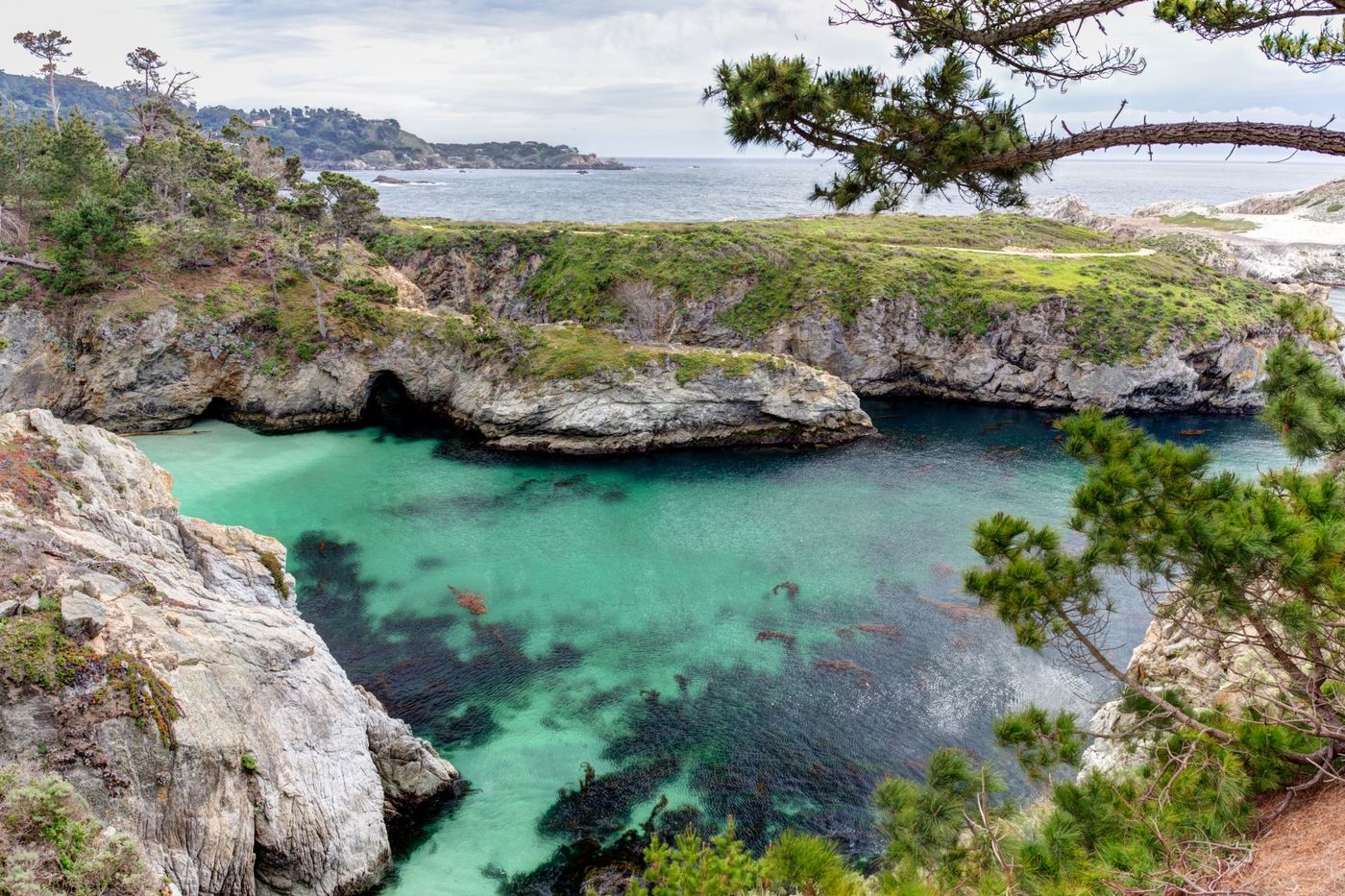
The Carmel Highlands is a small, quiet coastal community just south of Carmel, where the Monterey Peninsula gives way to the Big Sur coast. Point Lobos is right next door, and in my opinion it’s probably the most dynamic of all the areas on the Monterey Peninsula.
If you’re browsing Carmel Highlands homes for sale, this page is what I’d tell a friend first: where you can live out here, from right on the water to way up the mountain, what’s different about buying on this stretch of coast, and how I can help.
Why buyers love the Carmel Highlands
The Highlands sits along Highway 1 south of the Carmel River, in unincorporated Monterey County. It feels secluded and a little wild, yet Carmel-by-the-Sea, Pebble Beach, and Monterey are all an easy drive away.
- Open oceanThis is open ocean, not the protected water of Carmel Bay. Many homes look straight out over the Pacific, and the coastline changes with every swell.
- Point Lobos next doorPoint Lobos State Natural Reserve is right next door, with Garrapata State Park a little farther south. Hiking, wildlife, and tide pools are part of everyday life.
- The gateway to Big SurHead south on Highway 1 and you’re on one of the most famous drives in the world. Head north and you’re in Carmel in a few minutes.
- A real range of settingsRight on the water, way up the mountain, or tucked into the trees in between. No town center and no crowds, yet you’re not far from everything.
On the water, up the mountain, or in between
The Highlands doesn’t have formal neighborhoods, but it has a real range of settings. When I show buyers around, I think of it in three ways, and there are lots of options in each.
Along the water
Oceanfront parcels sit right along the coast, and this is open ocean, not protected like Carmel Bay. Watching the swells roll in is part of the magic, and so is the salt air and wind.
Way up high
You can live way up at elevation, nearly 1,000 feet above sea level, with sweeping views of the ocean and the mountains. It’s a drive up, and the views are the reward.
In between
Places like Upper Walden Road and Lower Walden Road are tucked into the mountainside among the trees, just off Highway 1. You’re close to the coast and the highway, with more shade and a woodsy, private feel.
Yankee Point & Carmel Riviera
If you want to be able to walk out your door and explore, this is the corner of the Highlands I point people to first.
Two beaches, one neighborhood.
In my experience, Carmel Riviera and Yankee Point make up the most walkable neighborhood in the Carmel Highlands. The streets loop off Highway 1 toward the water, and you can take a walk without getting in the car.
It’s also flanked by two beaches, one on each end.
The community beach
On the north side, between Yankee Point and Spindrift Road, there’s a private community beach. Access is with a key made available to residents.
Malpaso Creek Beach
At the south end of the neighborhood is a smaller, lesser-known public beach where Malpaso Creek meets the ocean. It takes a bit of a hike down, which is part of why it stays quiet.
If you’re looking at a home here, we’ll confirm whether it comes with community beach access and how that works.
What to know before buying in the Carmel Highlands
None of this should scare you off. It’s just part of owning a home on a wild, beautiful stretch of open coast, and it’s much easier to plan for up front than to discover in escrow.
Monterey County and the coastal zone
The Highlands isn’t a city, so planning and permits go through Monterey County. It’s also in the coastal zone, under the county’s Carmel Area Land Use Plan, and near the shoreline some projects can be appealed to the California Coastal Commission. Guest houses and second units can come with their own limits here, too.
My advice: if you’re planning to remodel, add on, or build, let’s talk to a local architect or land-use consultant before you’re locked in.
Where does the water come from?
Many homes in the Highlands are on Cal Am water, but some rely on a private well or a small shared water system, especially farther up the canyons. Water is a real constraint on the Monterey Peninsula, and adding water use can be hard.
My advice: we’ll confirm the water source for every home, and test the well’s flow and quality if there is one.
Septic is common
Much of the Highlands isn’t on a city-style sewer, so many homes have a septic system. On steep or rocky lots, repairing or replacing one can be a real project.
My advice: we’ll get a septic inspection during escrow and ask for any county records on the system.
Fire risk and insurance
Wooded hillsides and canyons are beautiful, and they also mean wildfire risk. Fire protection comes from the Carmel Highlands Fire Protection District, but insurance here can take some shopping, and defensible space matters.
My advice: get insurance quotes during your inspection period, not after, so there are no surprises.
Granite, steep lots, and Highway 1
Many homes here sit on granite, which in my experience is about as solid as ground gets here when it comes to earthquakes. Hillside lots can still mean retaining walls, drainage work, and soil or slide questions. Highway 1 is the main way in and out, and big storms can close parts of it, more often farther south along the Big Sur coast.
My advice: even on granite, a geology or soils report for the specific lot is still worth it, and it’s smart to know your backup route.
Weather on the open ocean
Winter storms can hit hardest in the Highlands. Unlike Monterey Bay or Carmel Bay, there’s no bay to break down the storm and the wind, so it can be a little rainier and windier during winter storms, and a little more brisk overall. Summer fog is probably similar to the parts of Carmel close to the water, and the best weather usually comes from late August through October.
My advice: see a home on a windy day if you can, and look at how it’s sited and built for weather: windows, roof, and drainage.
Rules change, so we’ll confirm current requirements with Monterey County for any home you’re serious about, including short-term rental rules, which are strict and have been changing. The Carmel Highlands is generally served by Carmel Unified School District; confirm school assignments by address with the district.
Seeing Carmel Highlands homes before they hit the market
Homes in the Highlands don’t come up often, so an early look matters. Compass is now part of the same family as Coldwell Banker, Sotheby’s International Realty, Corcoran and more, so I can see coming-soon listings from those brokerages too.
Carmel Highlands homes for sale right now
The live listings are just below. Homes here usually carry a Carmel address, so if one catches your eye, ask me where exactly it sits (on the water, up the mountain, or in between), what the road in is like, and how it handles water, septic, and fire safety.
Curious what’s been selling? See Carmel Highlands sales stats.

Thinking about the Carmel Highlands? Let’s talk it through.
Tell me what you’re picturing, and I’ll tell you honestly what it takes to get there: which part of the Highlands fits, what to check on water, septic, and the lot, and what a fair price looks like. No pitch.
Prefer to text? 831-747-0310 · [email protected]
Selling too? Start with a no-pressure home valuation, and we’ll plan both moves together.
Looking nearby? Explore the Carmel area, Carmel-by-the-Sea, or Carmel Point.
Jonathan Balog, Associate Broker | Compass | DRE# 01980970
Compass is a real estate broker licensed by the State of California and abides by Equal Housing Opportunity laws. License Number 01527235. Information deemed reliable but not guaranteed. The Carmel Highlands is in unincorporated Monterey County; local rules summarized here are general information, not legal advice. Confirm current requirements with Monterey County.