


Carmel Valley area / Upper Valley & Cachagua
A Carmel Valley neighborhoodUpper Valley & Cachagua Luxury Homes for Sale: room to roam.
East of Carmel Valley Village, the valley opens into rolling hills, creeks, hidden valleys, ranches, and wineries, and farther back into the mountains is Cachagua. It’s unincorporated Monterey County, with real acreage and real privacy. If you’re looking at Upper Carmel Valley homes for sale, or out in Cachagua, here’s what I’d tell a friend first.
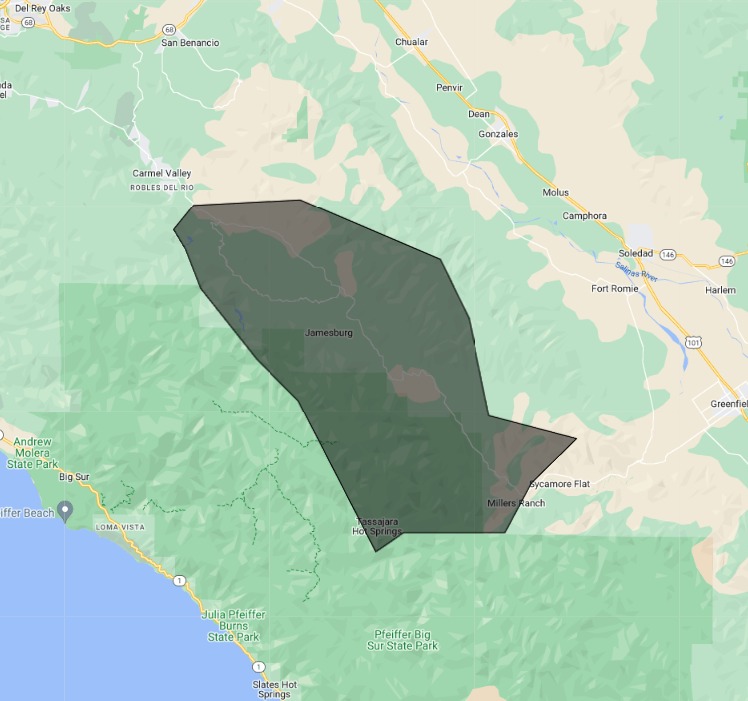
- Jurisdiction
- Unincorporated Monterey County
- Schools
- Carmel Unified
- Planning
- Cachagua Area Plan for much of it; the Carmel Valley Master Plan closer to the Village
- Nearby
- Wineries, ranches, and Tassajara Zen Mountain Center farther in
- The feel
- Acreage, privacy, and big seasonal swings
What it’s like to live in Upper Valley & Cachagua
It’s for people who want space and quiet, and don’t mind a drive.
- Land and privacyMany properties have serious acreage, from ranches and vineyards to homes tucked into hidden valleys.
- Big weather swingsSummers can bring stretches of very hot days, winter nights get cold, and the mountaintops sometimes see snow.
- The trade-offGroceries and gas can be a long drive, and a beach day takes planning. In my experience, that trade-off is part of why you often get more for your money out here.
- Wine and historyRanches and wineries are part of the landscape, wildlife is everywhere, and farther into the mountains is Tassajara Zen Mountain Center, founded in 1967.
What to know before buying here
None of this should scare you off. It’s just much easier to plan for up front than to discover in escrow.
Monterey County is in charge
This area isn’t a city, so permits and planning go through Monterey County. On the county’s planning maps, it falls under the Cachagua Area Plan for much of it, and the Carmel Valley Master Plan closer to the Village, which can shape what you’re able to build or add.
My advice: if you’re buying to remodel, add on, or build, let’s talk to a local architect before you’re locked in.
Where does the water come from?
Most of this area is outside Cal Am’s mapped service area, so homes typically rely on private wells or small shared systems.
My advice: we’ll check the well’s flow, quality, and history for every home, and confirm any shared-water agreements.
Fire risk and insurance
This is wildland country, mapped by CAL FIRE as high fire hazard or higher, with longer response times than near town. Insurance can be hard to find, and defensible space and access really matter.
My advice: get insurance quotes during your inspection period, not after, and check the current CAL FIRE map for the exact address.
Roads, access, and septic
Many homes sit on long private roads with shared maintenance, and creek crossings can flood in winter. Nearly every home uses a septic system.
My advice: we’ll look at road-maintenance agreements, check the flood map, and get a septic inspection.
Rules change, so we’ll confirm current requirements with Monterey County for any home you’re serious about. On the state’s school district map, this area is in Carmel Unified School District; confirm school assignments by address with the district.
Nearby neighborhoods
Seeing Upper Valley & Cachagua homes before they hit the market
Ranches and acreage out here don’t come up often, so an early look matters. Compass is now part of the same family as Coldwell Banker, Sotheby’s International Realty, Corcoran and more, so I can see coming-soon listings from those brokerages too.
Upper Valley & Cachagua home buying FAQ
What planning rules apply to Upper Carmel Valley and Cachagua?
The Upper Carmel Valley and Cachagua area is in unincorporated Monterey County. Permits and planning go through Monterey County rather than any city. Most of the area falls under the Cachagua Area Plan, which governs what can be built or modified on properties in that zone. Portions closer to Carmel Valley Village fall under the Carmel Valley Master Plan instead. Buyers planning to remodel, add on, or build should confirm which plan applies to their specific parcel and consult with a local architect familiar with the county process before making commitments.
Where does water come from for homes in Upper Carmel Valley and Cachagua?
Most of the Upper Carmel Valley and Cachagua area is outside Cal-Am's mapped service area. Homes typically rely on private wells or small shared water systems rather than public water service. Buyers should verify the specific water source for any property, review any shared water agreements carefully, and have private wells tested for flow rate, water quality, and condition before closing. Water supply is a material consideration in this area and should be addressed early in the due diligence process.
What is the fire risk in Upper Carmel Valley and Cachagua?
CAL FIRE maps the Upper Carmel Valley and Cachagua area as high fire hazard or higher throughout. Fire response times in this area are longer than near town. Homeowners insurance can be difficult to find and premiums may be higher than in lower-risk areas. California's defensible space requirements apply, and access road width and condition can also affect both fire response and insurability. Buyers should obtain insurance quotes during the inspection period, not after, check the current CAL FIRE hazard designation for the specific address, and evaluate defensible space and road access carefully.
What are the road, access, and septic considerations in this area?
Many homes in the Upper Carmel Valley and Cachagua sit on long private roads shared with other property owners. Road maintenance agreements govern how costs are split and who is responsible for upkeep. Some access roads include creek crossings that can flood or become impassable during heavy winter rains. Nearly every home in this area uses a septic system. Buyers should review road maintenance agreements, check the FEMA flood map for any creek crossings or low points along the access route, and obtain a thorough septic inspection during the contingency period.
What is Cachagua and what is it like to live there?
Cachagua is a remote mountain community in the upper reaches of Carmel Valley, deeper into the Santa Lucia Mountains than the lower valley. It offers real acreage, ranches, and a level of privacy and seclusion that is rare close to the Monterey Peninsula. Summers can be very hot, winter nights get cold, and the mountaintops sometimes see snow. Groceries, gas, and services require a long drive, and a day at the coast takes planning. Tassajara Zen Mountain Center, founded in 1967, lies farther into the mountains beyond Cachagua. The trade-off is that buyers often get significantly more land and more home for their money than anywhere else near Carmel.
Is Upper Carmel Valley and Cachagua in the California coastal zone?
No. The Upper Carmel Valley and Cachagua area is outside California's coastal zone. Properties here are subject to Monterey County planning under the Cachagua Area Plan or the Carmel Valley Master Plan, not the additional coastal development permit process that applies to properties closer to the coast.
What schools serve Upper Carmel Valley and Cachagua?
The Upper Carmel Valley and Cachagua area is served by Carmel Unified School District. School assignments should be confirmed by specific property address directly with Carmel Unified School District.
Have a question that isn’t here? Contact me.
Upper Valley & Cachagua homes for sale right now
The live listings are just below. This area covers a lot of ground, so ask me where any listing actually sits, and how long the drive in is. If nothing fits today, tell me what you’re after and I’ll keep an eye out.

Curious about Upper Carmel Valley? Let’s talk it through.
Tell me what you’re picturing, and I’ll tell you honestly what it takes to get there: what to watch for and what a fair price looks like. No pitch.
Prefer to text? 831-747-0310 · [email protected]
Selling too? Start with a no-pressure home valuation, and we’ll plan both moves together.
Jonathan Balog, Associate Broker | Compass | DRE# 01980970
Compass is a real estate broker licensed by the State of California and abides by Equal Housing Opportunity laws. License Number 01527235. Information deemed reliable but not guaranteed. Neighborhood boundaries are approximate. Local rules summarized here are general information, not legal advice; confirm current requirements with Monterey County.